


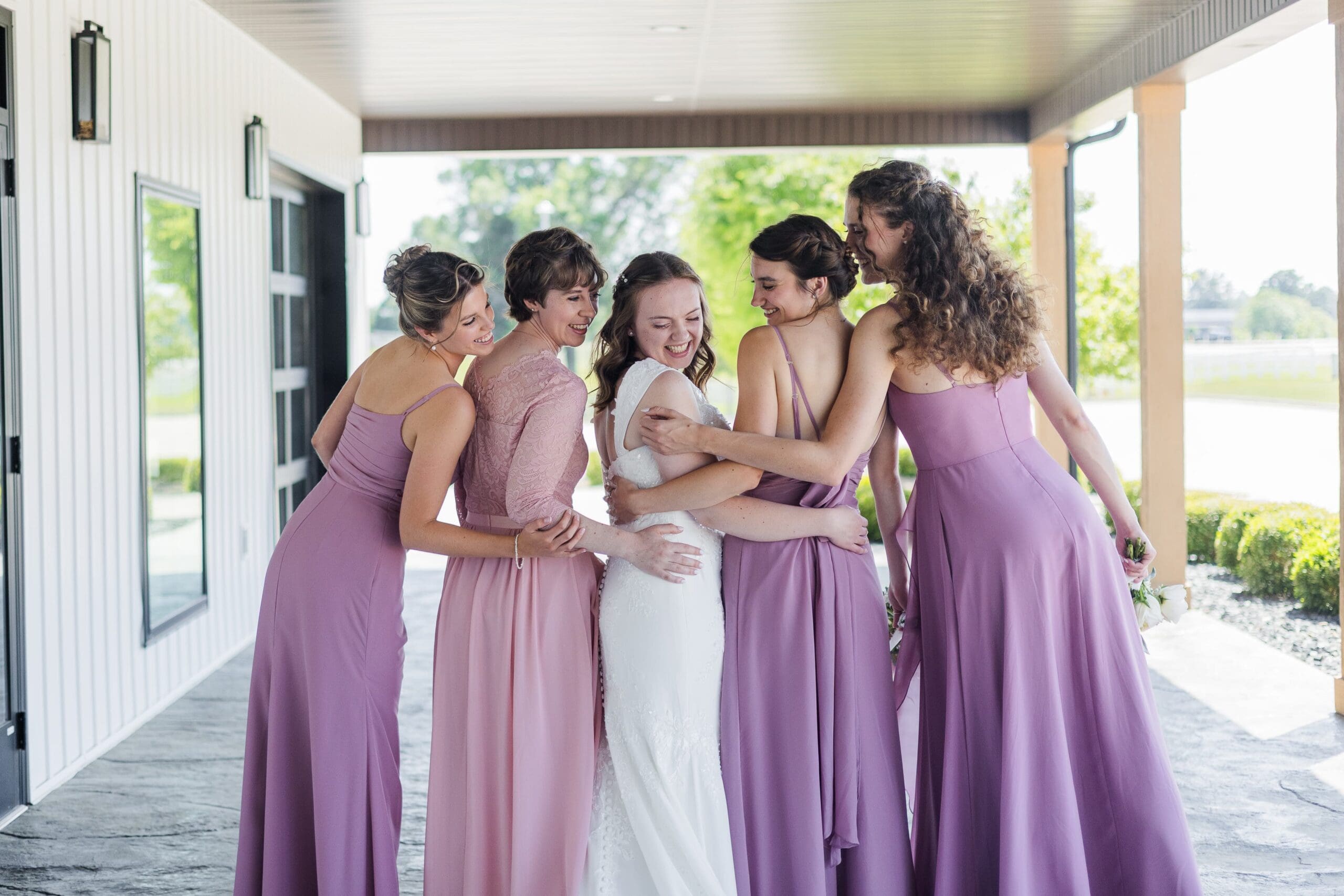
Your wedding day will move faster than you expect. If you have been engaged for any length of time, you might have heard at least one person say, “Your wedding day will go by so fast!” Creating a thoughtful Wedding Day Timeline is one of the most important parts of the planning process. Because it’s true. The day is so full, it does go by so fast. One moment you’re getting ready with your closest friends, and the next you’re sharing your final dance as newlyweds. A well-planned timeline does more than keep everyone on schedule. It creates breathing room, reduces stress, and allows you to fully enjoy the moments you’ve spent months planning.
Whether you’re planning a traditional wedding, an intimate celebration, or something completely unique, this guide will help you build a Wedding Day Timeline that fits your priorities and keeps your day running smoothly, so you can enjoy every second of it!
Why Your Wedding Day Timeline Matters
Without a clear schedule, small delays can quickly snowball into rushed portraits, shortened cocktail hours, or missed moments with loved ones. Speaking from experience!
A strong timeline helps:
- Keep vendors working together efficiently
- Reduce unnecessary stress throughout the day
- Allow enough time for photographs (!!)
- Create time for meaningful moments
You don’t want to schedule every second, but you do want a realistic flow that helps your day unfold naturally and with ease.
 Start With Your Ceremony Time
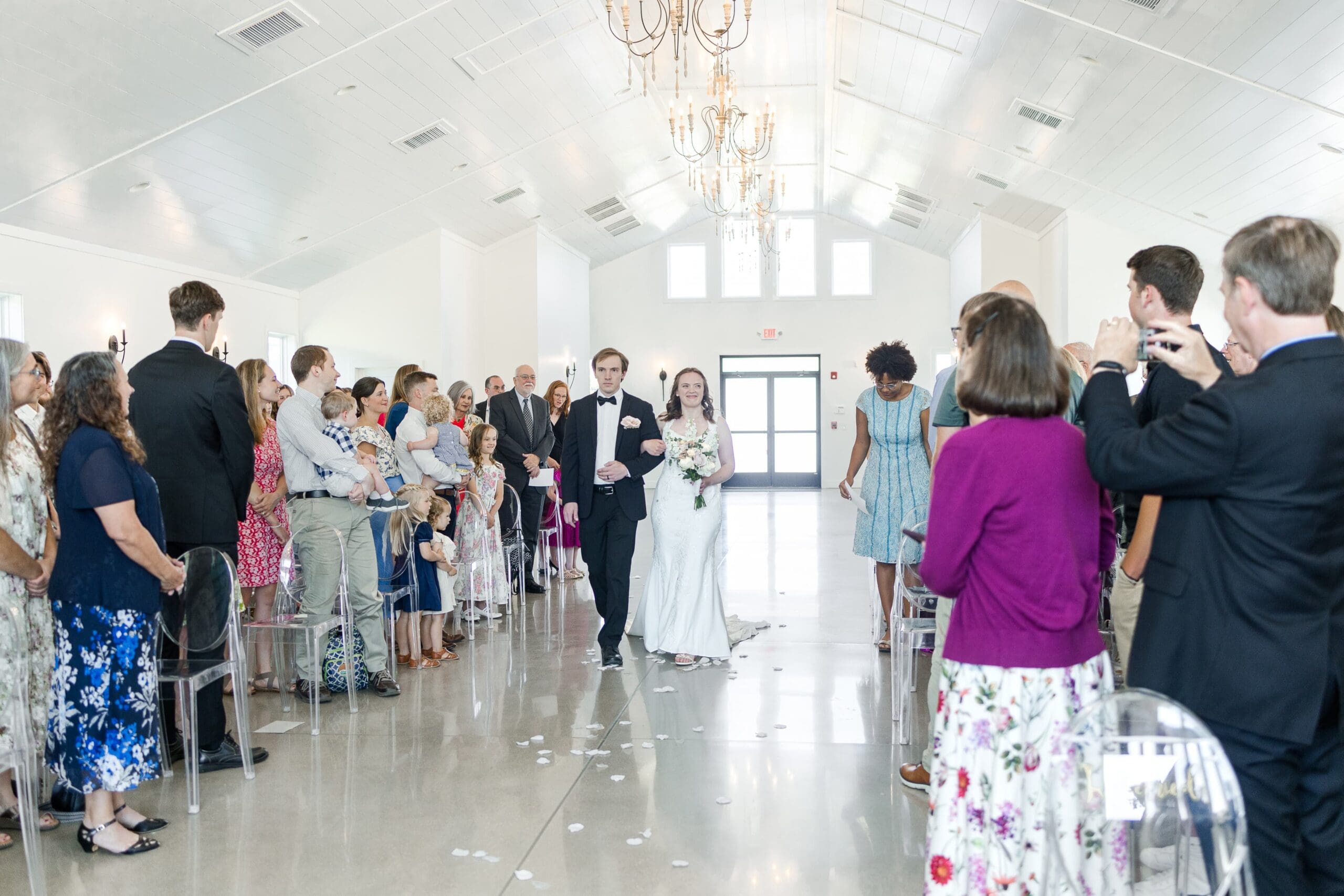
The easiest way to build a Wedding Day Timeline is to begin with the ceremony start time and work both backward and forward. Your ceremony start time acts as the anchor point for the entire day. Ask yourself what time of day you want the ceremony and move from there.
From there, you can determine:
- When hair and makeup should begin (considering how long it takes each girl to get ready)
- When portraits will take place
- When guests should arrive
- When dinner and dancing will begin
- So much more!
Don’t stress! Once the ceremony is set, the rest of the timeline becomes much easier to organize.
Decide Whether You’ll Have a First Look
I have a love-hate relationship with first looks. As a wedding photographer, I think they are great. They allow you to get some portraits done early, so you can enjoy cocktail hour with your friends and loved ones. As a bride, I think they can kill the anticipation. Once your groom has seen you once, will he still cry as you walk down the aisle? Regardless of whether or not you choose to have a first look, it can definitely impact your wedding day timeline.
If You Choose a First Look in Your Wedding Day Timeline
A first look allows the couple to see each other before the ceremony. If you allow enough time, there are many benefits, such as additional time together on the wedding day. You can also take many family and wedding party photos before the ceremony, allowing you to be more present at cocktail hour. Plus fewer photography obligations after the ceremony.
However, that does mean you will need to get ready earlier in the day to make time for this moment, which could result in sitting and waiting around in your dress before necessary.
If You Skip the First Look
Many couples love the tradition of seeing each other for the first time during the ceremony. It’s a surreal experience, I can’t quite explain it. If you choose this route, you will need to plan additional portrait time after the ceremony for family, wedding party, and your bride and groom portraits. This option works beautifully but typically requires a larger block of photography time following the ceremony.
I’ve worked at weddings on both sides, and each is unique and beautiful in its own way. The decision of doing or not doing a first look is totally just based on your preference and what you want for your wedding day!
Build in Extra Time Everywhere in Your Wedding Day Timeline
One of the most common mistakes couples make is underestimating how long things actually take. Hair and makeup runs behind. Family members wander off before pictures. Transportation arrives late. Bustles take longer than expected. There are so many things in a wedding day that could take up time without you even realizing it! Adding buffer time throughout the day creates flexibility and keeps small delays from becoming major problems. A good rule of thumb is to add 10–15 extra minutes to important transitions whenever possible. Transitions like getting ready (add more time if you’re not getting ready at the wedding venue site), bride and groom portraits, ceremony to cocktail hour, dinner to dancing, etc.
Key Events to Include in Your Wedding Day Timeline
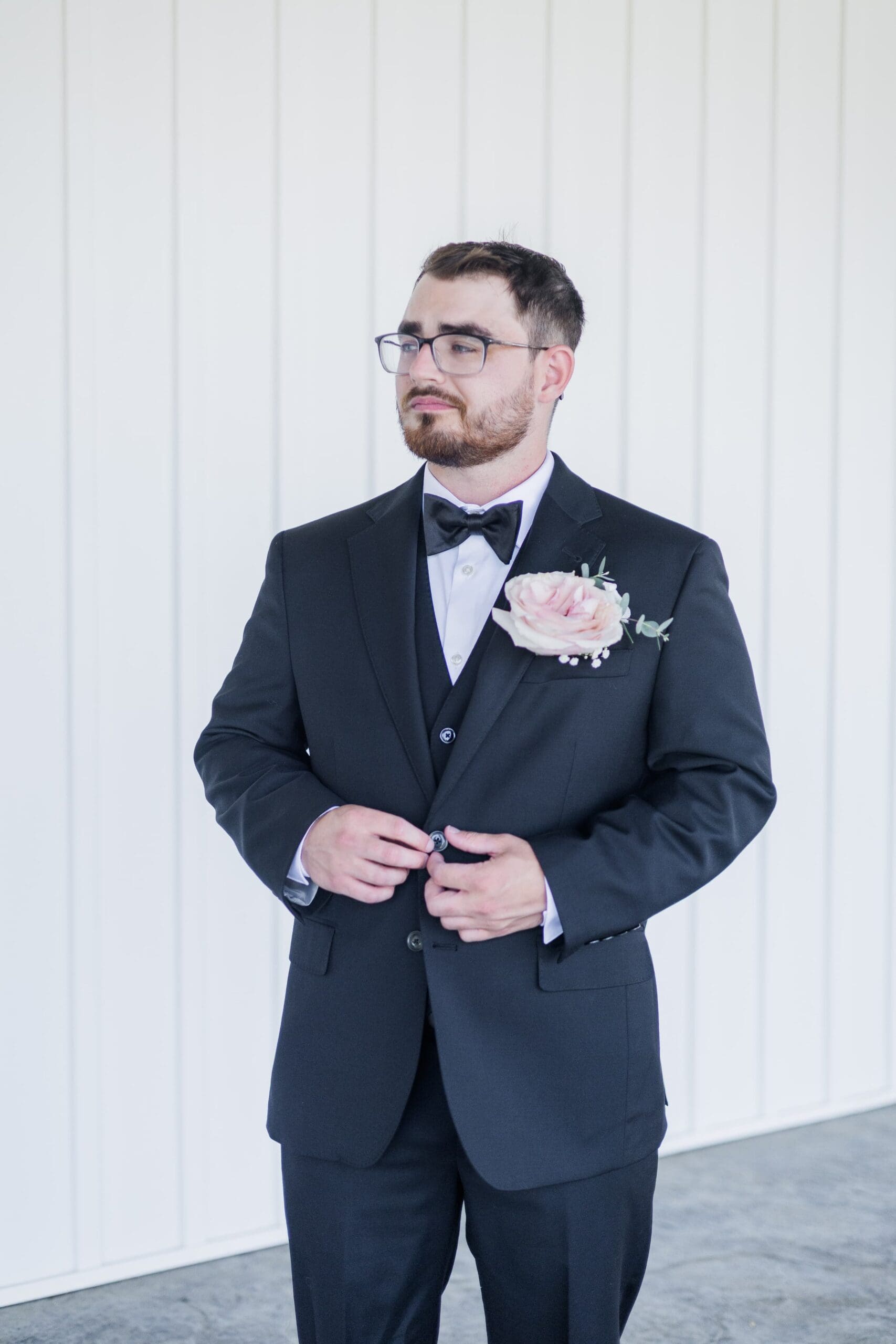
Every wedding is different, but most timelines include several common events. Here are some key events to add to your wedding day timeline.
Getting Ready
This portion of the day often takes longer than couples expect. You should include time for:
- Hair and makeup
- Getting dressed
- Detail photographs
- Gift exchanges
- Reading private letters or vows to one another
Many of the most emotional moments happen during this part of the day. You don’t want this to be rushed!
Wedding Party Photos
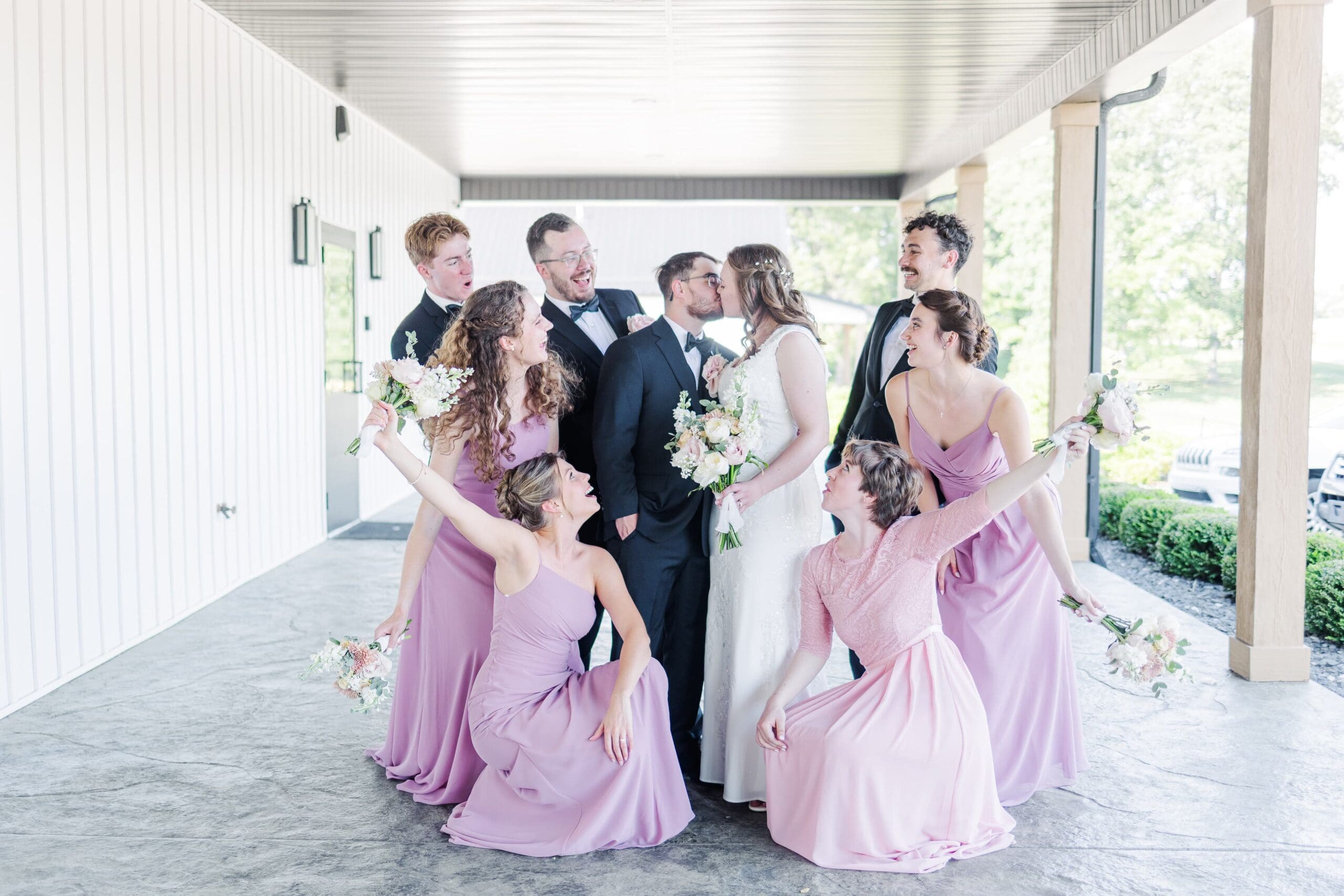
If you’re planning formal wedding party portraits, schedule dedicated time for them. Large wedding parties generally require more time for organization and movement between locations and poses. Plus, it’s all your best friends hanging out in one area together. You want it to be fun, casual, and joyous. Not strict military orders from the photographer because the day is running behind, you know?
Family Portraits
Family photos move much more efficiently when you create a shot list beforehand (I send my couples a 3-month-out questionnaire that has this on there so we can make this time as smooth as possible!). Consider immediate family, grandparents, siblings, and extended family combinations. And when you double that for both the bride AND the groom? That can take up time, but it doesn’t have to! Having a list and a designated family member to help gather relatives (and point people out to the photographer) can save valuable time.
Couple Portraits
These are the images couples cherish most after the wedding day. You want to avoid rushing this portion of the schedule. Not only because you want the photos to look nice, but this is where you relish in the fact that you just got married! Look down at your rings, do a happy dance, and just take extended alone time (with a third-wheeling photographer) to be together because once you hit the cocktail, you will be busy busy busy. Even 20–30 uninterrupted minutes can create beautiful, meaningful portraits.
Reception Events
This all depends on what you want to be public in your reception. Some people don’t do parent dances and some don’t announce the cake cutting. Be sure to know how you want your wedding reception evening to unfold and account for:
- Grand entrance
- First dance
- Parent dances
- Dinner service
- Toasts
- Cake cutting
- Open dancing
Your planner, coordinator, DJ, and photographer can help ensure these events flow naturally throughout the evening.
Consider Golden Hour in Your Wedding Day Timeline When Planning Photos
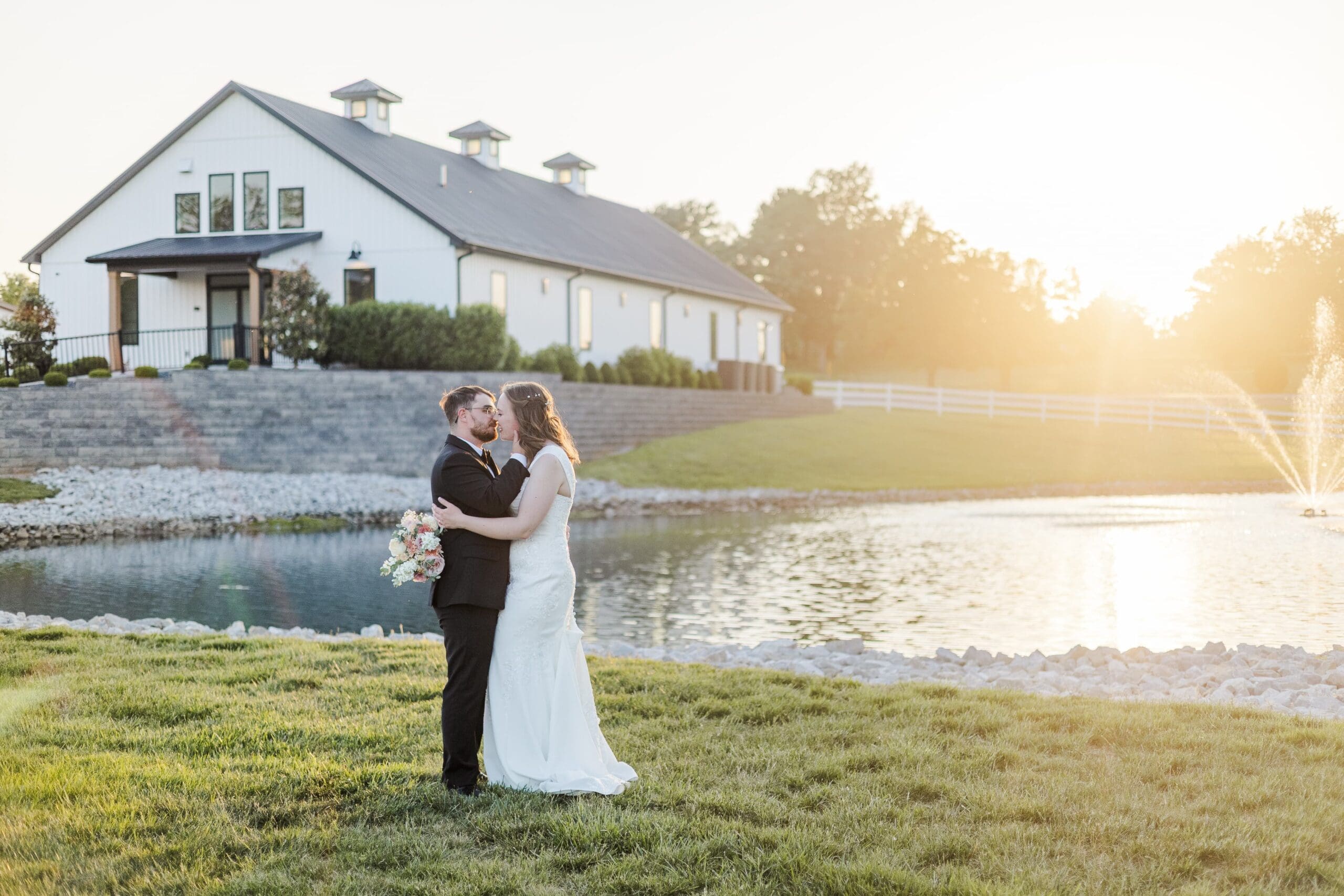
Natural light can dramatically impact your wedding photographs. Many photographers (including me) recommend setting aside a short portrait session near sunset for soft, flattering light, golden skin tones, and most importantly, a relaxing break from the reception. Even 10 to 15 minutes can make a significant difference. It’s quite often I hear from the bride, “I was ready for you to come snag us from the reception!” Because so many people want to talk to you, dance with you, and take pictures with you. Now keep in mind, none of that is bad! But it is good to have some breathing room scheduled so you can continue to take in your wedding day, and golden hour portraits do just that. It allows you to leave your own reception with an excuse lol.
Sample Wedding Day Timeline With a First Look
Every wedding is unique, but a typical timeline may look something like this:
- 11:00 AM – Hair and makeup finishing touches
- 12:00 PM – Getting dressed
- 12:30 PM – Detail photos
- 1:00 PM – First look
- 1:15 PM – Couple portraits
- 2:00 PM – Wedding party photos
- 2:45 PM – Family photos
- 4:00 PM – Ceremony
- 4:30 PM – Cocktail hour
- 5:30 PM – Reception entrance
- 6:00 PM – Dinner
- 7:00 PM – Toasts
- 7:30 PM – First dances
- 8:00 PM – Open dancing
- Sunset – Brief golden hour portraits
- 10:00 PM – Grand exit
Use this as a starting point rather than a strict template.
Work With Your Photographer Early
Your photographer sees wedding timelines every weekend and can provide valuable insight into how much time various parts of the day require. When building your schedule, discuss travel time between locations, family photo expectations, sunset timing, and portrait priorities. The earlier these conversations happen, the smoother the planning process becomes!
If you’re currently planning your wedding and want inspiration for portraits, timelines, and real wedding experiences, take a look through my portfolio to see how different couples structured their day.
Remember What Matters Most
The perfect Wedding Day Timeline isn’t the one that looks best on paper. It’s the one that allows you to be fully present! If you get anything out of this post, it’s to build in margin. Allow room for the unexpected moments. Focus on the experiences you want to remember years from now. Stress may come on your wedding day, but don’t let it be from the wedding day timeline because you didn’t account for enough buffer! At the end of the day, your guests won’t remember whether everything happened exactly on schedule, but they will remember how the day felt. A thoughtful timeline helps create a celebration that feels joyful, relaxed, and uniquely yours.
Ready to Start Planning?
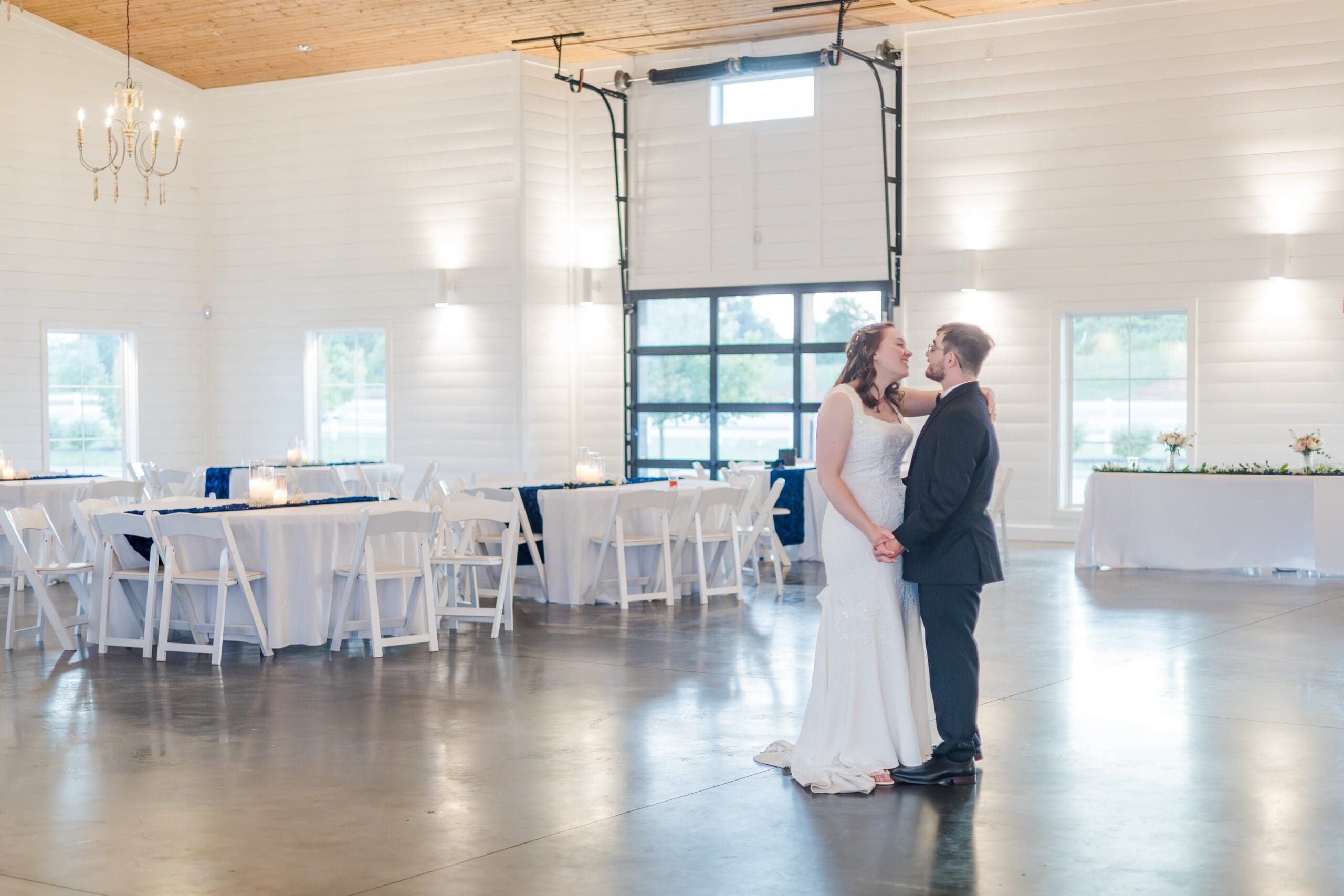
As a wedding photographer, I help couples create realistic timelines that allow for beautiful photographs AND a relaxed wedding experience. Yes, you can have both! Browse the portfolio for real wedding inspiration, or reach out through my contact form to start planning a photography experience that fits your day naturally. I’d love to help be a part of your day!
Some other articles that might be helpful as you plan your big day:


